Features
Vine creator payouts: what the Internet Archive can and cannot show
Vine creator payouts left no public ledger. Here is what the Internet Archive, Archive Team and SEC filings do and do not show about Vine money.
Vine creator payouts are the hardest part of Vine's history to document. The platform published no rate card, and the deals that paid creators were private arrangements between a brand, a creator and sometimes an agency. What survives is a different kind of record: the Internet Archive's preserved Vine material, Archive Team's rescue project, Twitter's securities filings, and the paperwork US payers are required to file for contract work. This article sets out what each record can establish about money at Vine, where the trail stops, and how to trace a claim without inventing an amount.
What the Vine archive actually holds
Vine was built by Dom Hofmann, Rus Yusupov and Colin Kroll, and its six-second looping videos turned it into a mass consumer product. Twitter acquired Vine in October 2012, before the iOS app launched in January 2013.
When Twitter announced on October 27, 2016 that it would discontinue the app, Archive Team, a volunteer archiving group, started a public project to save Vine videos before the shutdown. The Internet Archive hosts preserved Vine material, and the Wayback Machine holds captures of vine.co pages. Twitter closed the app on January 17, 2017 and converted it into Vine Camera: uploads stopped, though existing video pages stayed readable for a time.
That rescue captured public pages — video pages, profile pages, caption text. It did not capture a back office. Creator dashboards and any internal payment system sat behind a login, so a public crawl could not reach them. The archive holds content and dates, not accounts payable.
Vine acquisition to mass product
- October 2012Twitter acquired Vine for about $30 million
- January 2013Vine launched its iOS app
- 2015Vine reached 200 million monthly active users
What one preserved Vine can and cannot establish
A captured page establishes something narrow and real: this video existed, with this caption, at the moment of capture. It can also preserve a sponsorship disclosure, because the Federal Trade Commission's Endorsement Guides (16 CFR Part 255) require creators to disclose material connections to advertisers. A caption reading #ad or #sponsored is public evidence that a commercial relationship was disclosed.
It is not evidence of an amount. The FTC has also sent warning letters to influencers and marketers over disclosure failures, which shows the rule was enforced, but the commission does not publish creator contracts or fees.
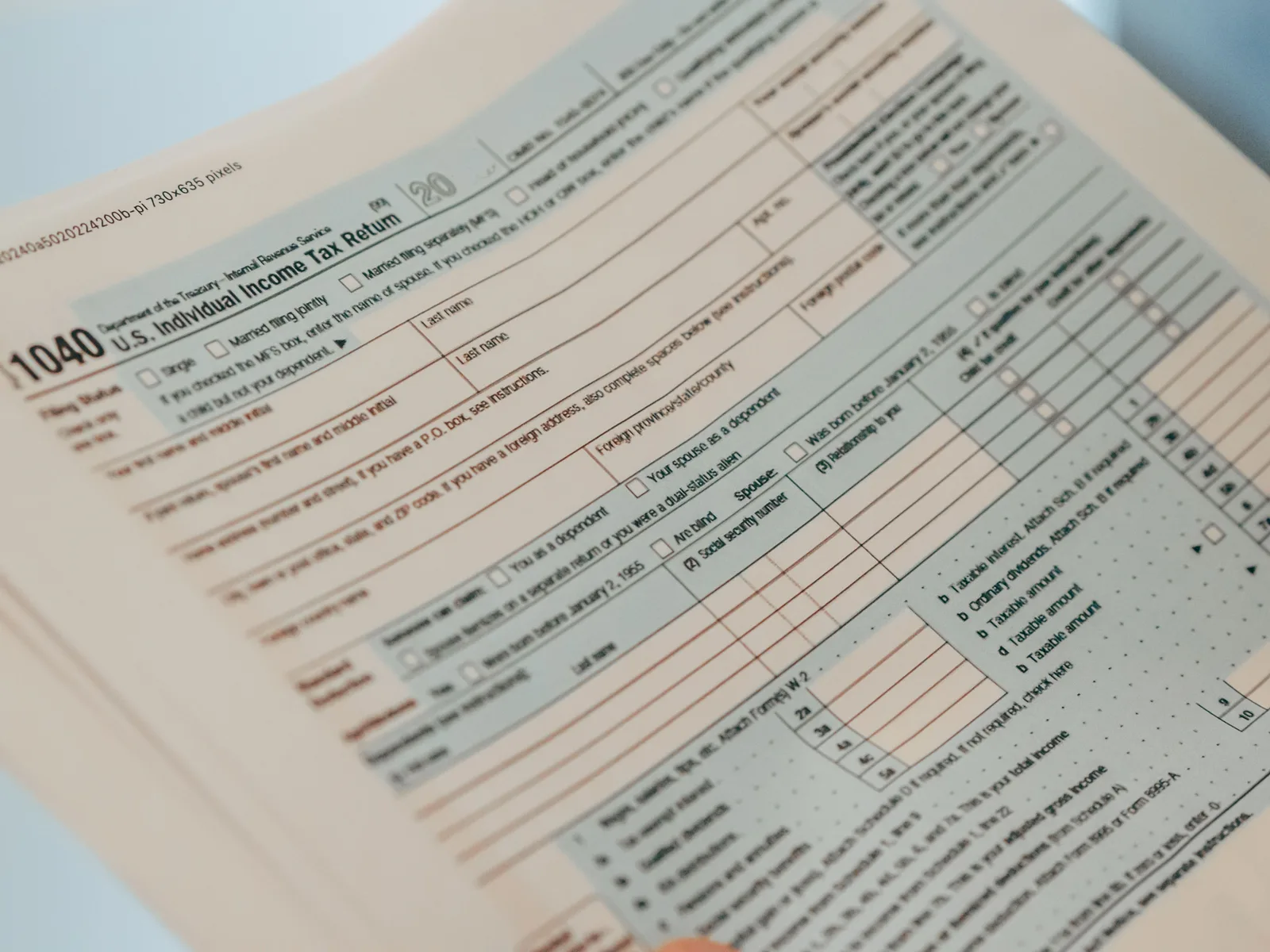
The documents that would answer "how much" are private. A brand contract, an agency agreement, an invoice, or the 1099-MISC or 1099-NEC a US payer files for a contractor's work all state parties and amounts. The tax forms go to the recipient and the Internal Revenue Service; none of them is filed with an archive.
Brand deals vs platform payouts
Brand deals
- Who paid
- Brand or agency
- Public record
- Fragmented
- Documents
- Contracts, invoices, 1099s
- Platform cut
- Could take a cut
Platform payouts
- Who paid
- Vine or Twitter
- Public record
- No named rates
- Documents
- SEC filings only
- Platform cut
- Not transparent
Record types side by side
| Record | Where it lives | What it can establish | What it cannot |
|---|---|---|---|
| Wayback Machine captures of vine.co | Public web archive | A video, caption or profile page existed at capture time | A payer, contract or amount |
| Archive Team's Vine project | Volunteer archiving | The scope of the public video rescue | Payment data, never in scope |
| Twitter's SEC filings | Public filings on EDGAR | Company-level events such as the acquisition and the shutdown | Per-creator payments; Vine was not reported as a separate payout line |
| Niche, the talent agency Twitter bought in 2015 | Press coverage | That a corporate link between Twitter and creator money existed | The deal terms, which were not disclosed in detail |
| Brand contract, invoice or 1099 | Private | Whatever parties, dates and amounts it states | Totals for other creators |
How to trace a Vine money claim
When a page, a press item or a video claims that a Vine creator was paid, work through the record rather than around it.
- Name the record.Is it an Internet Archive capture, a press report, a filing or a contract excerpt? Each supports different claims.
- Separate the dates.A capture date is not a campaign date, and a platform event such as the acquisition or the shutdown dates the service, not a payment.
- Name only the parties the document names.If no brand, agency, platform or payer appears, do not supply one.
- Leave amounts blank.If the document states no figure, the honest entry is "not stated".
- Label the conclusion."A sponsorship was disclosed" and "a creator was paid" are different findings.
Where the trail does continue, it often continues off-platform. Creators such as King Bach, Logan Paul and Liza Koshy built large Vine audiences and then carried sponsorship work to YouTube, Instagram and Snapchat. That move is visible in public content, not in payment records, and payout records from that era stay fragmented — the problem that social media payout records run into across platforms.
Preservation itself needs care. A capture can keep an image and lose its surrounding context, which is why internet culture archives treat a saved item as partial evidence rather than a copy of the original setting. Internet culture archive examples — from Archive Team's Vine rescue to the Wayback Machine's vine.co captures — show the same pattern of partial survival, and that pattern is exactly why a preserved Vine is evidence of content, not of commerce.
Where the money trail stops
- No archive documents a complete, creator-by-creator Vine payout total.
- No public record shows that Twitter ran a general per-view payout program at Vine; the documented corporate link to creator money runs through the Niche agency, not a published rate card.
- The absence of a public payment record is not proof that no money moved. It is proof that the record is private.
- Section 230 of the Communications Decency Act (47 U.S.C. § 230) shields platforms from liability for what users post. It says nothing about whether a creator was paid, and citing it as payment evidence confuses two separate questions.
- No public creator economy data set lists individual Vine deals, for the same reason tax filings stay private.
Access is also narrowing. The 2023 dispute over Reddit's API terms showed how fast third-party access to a public record can close, and platform timelines trends point the same way: more of the useful record sitting behind a login. Vine's creator dashboard was outside the crawl in 2016; later platforms have put more of the record behind the same wall.
Common questions
Did Vine pay creators directly?
No publicly documented platform payout program or rate card exists for Vine. The creator money that can be traced from public material runs through brand deals and the agencies that brokered them, including Niche, which Twitter acquired in 2015.
Does the Internet Archive hold Vine payment records?
No. It holds preserved video pages, profile pages and Wayback Machine captures of vine.co. Payment data lived in private contracts and tax filings, which were never published.
Where would a Vine payout amount actually appear?
In a brand or agency contract, an invoice, or a 1099-MISC or 1099-NEC filed by a US payer with the IRS. A creator may hold a copy; none of these is a public archive record.
Can the archive prove a creator was not paid?
No. A missing record shows that the document is private or lost, not that no payment happened. Every claim about Vine creator payouts has to stop at the same line: content is archived, money is not.