Olivia C. Turner is the editorial byline assigned to this area. Practical guides, comparisons and the questions behind a choice form this editorial remit.
Subject: Social Media History and Internet Culture: web, meme, history. A general description is a starting point, not a substitute for the particulars. This is an editorial pen name used by the publication, not a claim of an independently verified personal identity.
Illinois's 2008 Biometric Information Privacy Act (BIPA) required notice and written consent for face scans. It is the law behind the $650 million Facebook Tag Suggestions class settlement.
Five recurring critiques of social media, weighed: each one's core claim, where it overreaches, and the evidence that would move it, plus what they share.
Internet culture archives move under your citation in five ways, only one of which looks broken, and this is how to write a reference that survives it.
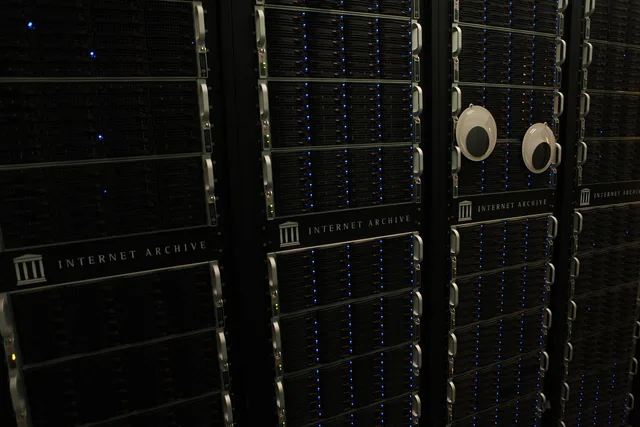
Internet culture archives platforms face loss in four layers: bits, formats, rendering, and context. Compare migration and emulation, two distinct repairs.
Five working parts of internet culture archives research: provenance, rights layers, orphan works, exceptions, and the ethics of republishing ordinary people.
A practical guide to generational digital culture: start with what was scarce, avoid the analogies that mislead, and read the questions as a diagnostic.
A generational digital culture comparison can focus on entry conditions—cost, existing users, default visibility and first prompts—instead of birth-year labels.
Statistics on generational digital culture disagree because the terms are defined differently, the self-reports drift, and the sampling frame is the subject.
Section 230 is a US liability shield that Canadian law does not borrow. How Bill C-11 and the Online News Act reach US platforms serving Canadian users.
Online status and identity take four forms here: anonymous accounts, persistent pseudonyms, real names, and verification, each with distinct tradeoffs.
FCC social platforms sit mostly outside the agency's reach, but robocalls, texts and licensed spectrum bring parts of platform conduct under its rules.
Social media slang research is a collection problem: what to gather, how to strip identity at capture, and the service, community and publishing questions.
Four signals that a social media slang term is finished, why its death can't be dated, and how a revival fools anyone dating a word by its spelling alone.
How social media slang platforms shape vocabulary: five constraints, the words each one produces, and why those words outlive the constraint that made them.
Tracing memes and virality back: what a search can and cannot see, what each kind of evidence carries, and how to write an origin sentence you can defend.
A framework for reading memes and virality platforms: four dependencies that shape whether formats travel, change at a boundary, or stay service-bound.
An early social networks guide to GeoCities, Usenet, IRC, and profile services, with named archives and practical checks for reading surviving records.
A practical guide to internet communities research: how to read a community without misreading it, why attention is a hazard, and when to stop before harm.
Internet culture archives come in four kinds, each with a characteristic gap, plus how to cite from them and the ethics of keeping what was meant to pass.
Memes and virality examples described as six archetypes rather than instances, with the fixed part, the variable part and the failure each one runs into.
Online status and identity in five concepts: service-issued signals, nonportable status, personas, pseudonyms and context collapse, with what each explains.
Use this platform timeline risks audit to catch false attribution, erased communities, invented causation, and silent edits before they shape a public history.
Memes and virality treated as copying: the three costs of a format, why copies change, why viral is a past tense, and the origin problem behind all of it.
Platform timelines need more than a date. Learn how to label entries, trace source chains, account for archival limits, and explain what a timeline cannot show.